
Homeowners should select between gas, electric, or induction models by evaluating their existing utility connections, cooking preferences, and desired energy efficiency. This comprehensive range and oven buying guide North Metro MN provides the essential information needed to compare fuel types, features, and performance for a seamless kitchen upgrade.
Selecting a new range for your North Metro home often feels like a high stakes decision because your choice impacts both your daily cooking efficiency and your long term maintenance costs. Whether you are dealing with a failing burner in Blaine or planning a full kitchen remodel in Forest Lake, the technical nuances between gas, electric, and induction models can be confusing. This guide provides a practical look at the best fuel sources for Minnesota kitchens while highlighting the repairability factors that most showrooms ignore. We will explore the professional performance of gas, the consistency of electric, and the modern efficiency of induction. You will also learn how to measure your space accurately and select a brand that our technicians trust for longevity and ease of repair. Making an informed choice now ensures your kitchen remains the reliable heart of your home for years to come.
Understanding the Basics: Range vs Stove vs Oven
Navigating the appliance market requires a solid grasp of terminology, especially when consulting a range and oven buying guide North Metro MN. While many homeowners use the terms stove and range interchangeably, they refer to specific appliance configurations. Understanding these distinctions is vital when visiting our discounted appliance showroom in Stacy to ensure you find a unit that fits your existing kitchen layout.
To address a common question directly, what is the difference between a range and an oven? An oven is simply the enclosed chamber used for baking, roasting, or broiling. A range, however, is a standalone, all in one appliance that combines an oven with a cooktop on the upper surface. This is the most common configuration found in kitchens throughout the region. In contrast, some homes utilize separate components, such as a wall oven installed into cabinetry and a cooktop dropped into the counter.
Using the correct technical terms helps significantly when searching for parts or scheduling professional appliance repair services. If you tell a technician your stove is broken, they might assume a cooktop issue, whereas range repair covers the entire unit. For those serving the Twin Cities North Metro, knowing exactly what you have in your kitchen ensures faster service and a more accurate quote for either a repair or a replacement unit.
Gas Ranges: The Professional Choice for MN Kitchens
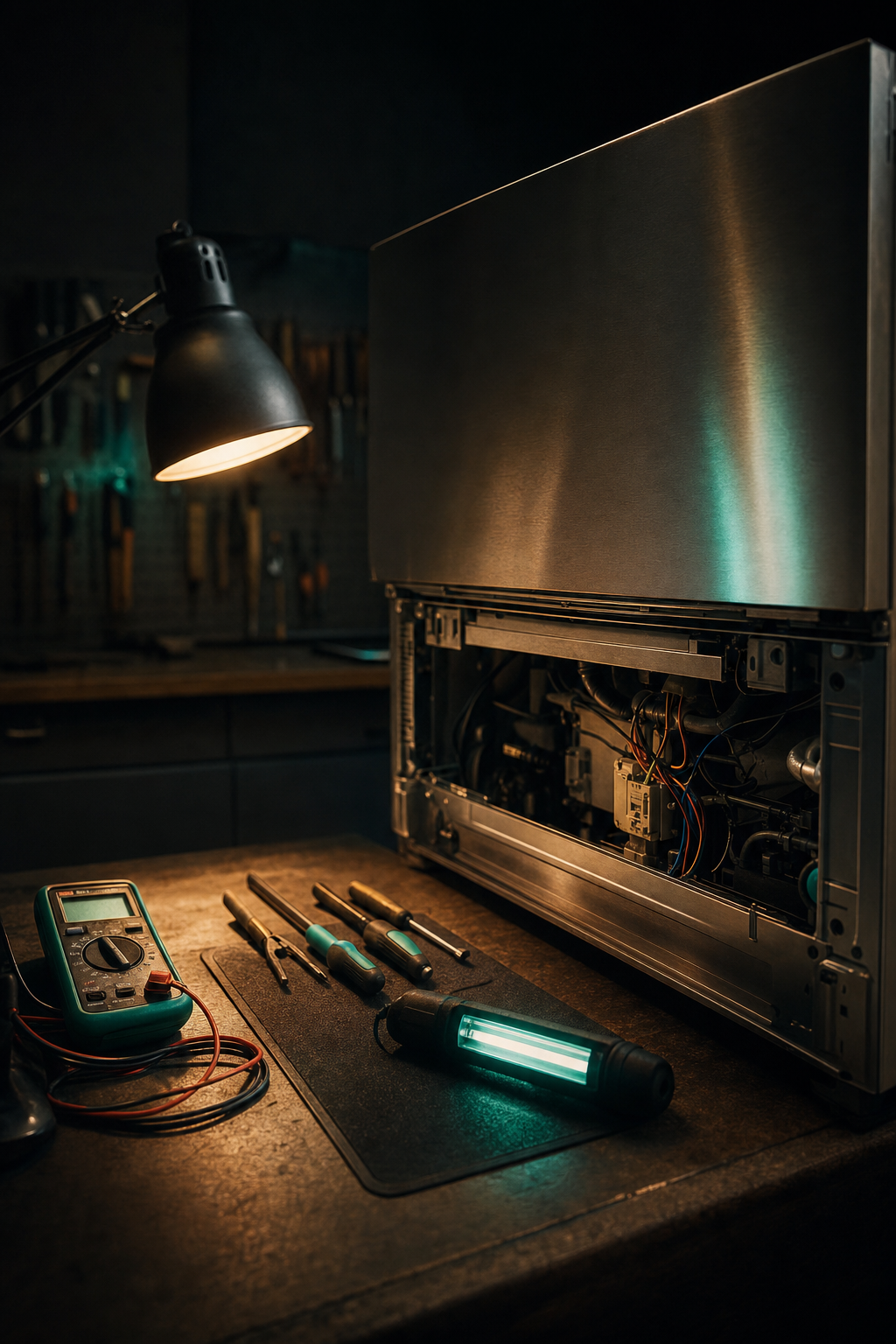
Once you have determined that a standalone range is the right fit for your kitchen, the next decision involves the fuel source. Gas ranges are often the preferred choice for serious home cooks due to their responsive nature. Unlike electric coils that take time to reach temperature, a gas burner provides immediate heat and a visible flame that allows for precise adjustments. This level of control is a primary reason these units are featured so prominently in our discounted appliance showroom in Stacy.
However, the practicality of a gas unit often depends on your specific location. In more developed areas, natural gas is standard. In rural parts of the North Metro, such as North Branch or Isanti, many properties are not connected to natural gas lines and rely on liquid propane (LP) instead. Most gas ranges can be converted to propane using a specific orifice kit, but this is a technical step that must be performed correctly to ensure safety and proper burner performance.
When considering the gas vs electric stove monthly cost, gas generally wins on operational expenses in Minnesota. While gas is often cheaper to run month to month, the initial installation can be more expensive. If your kitchen is not already equipped with a gas line, you will need to hire a licensed professional to run pipe from your meter or tank to the kitchen, which adds to the total project cost.
Homeowners often ask, why are gas stoves being phased out? While there is increased discussion regarding indoor air quality and nitrogen dioxide emissions, gas ranges are not being banned for existing homes. The focus for those serving the Twin Cities North Metro should be on proper ventilation. If you choose gas, ensure your kitchen has a high-quality range hood that vents to the outdoors rather than just recirculating air. This keeps your home environment healthy while allowing you to enjoy the professional performance of a flame-based cooktop. For those navigating a range and oven buying guide North Metro MN, weighing these installation factors against cooking preferences is the first step toward a successful purchase.
Electric Ranges: The Reliable North Metro Workhorse
While gas offers flame control, electric ranges remain the most common choice for homeowners serving the Twin Cities North Metro. These units are typically the easiest to install, as most Minnesota homes are already wired with a dedicated 240 volt outlet. This plug and play accessibility makes electric models a central part of any range and oven buying guide North Metro MN residents use when upgrading their kitchens without the added expense of plumbing new gas lines.
Electric ranges fall into two main categories: traditional coil and radiant smooth top. Coil models are the classic budget friendly option, but radiant smooth tops have become the standard for families in Forest Lake or Hugo. The glass ceramic surface of a radiant range is significantly easier to clean than traditional drip pans, requiring only a quick wipe once the surface cools. Because these models have a lower entry price point compared to gas or induction, they represent a high value choice, especially when browsing the selection at our discounted appliance showroom in Stacy.
From a maintenance perspective, electric ranges are highly practical. Our professional appliance repair services often highlight the repairability of these units compared to their gas counterparts. Surface elements and oven bake units are generally much less expensive to replace than gas valves or complex manifold systems. If a coil fails or a burner stops heating, the fix is often straightforward and cost effective. This long term affordability, combined with the lower upfront cost of scratch and dent or open box units, makes the electric range a dependable workhorse for the busy Minnesota household.
Induction Ranges: Is the Upgrade Worth It for Minnesota Homeowners?
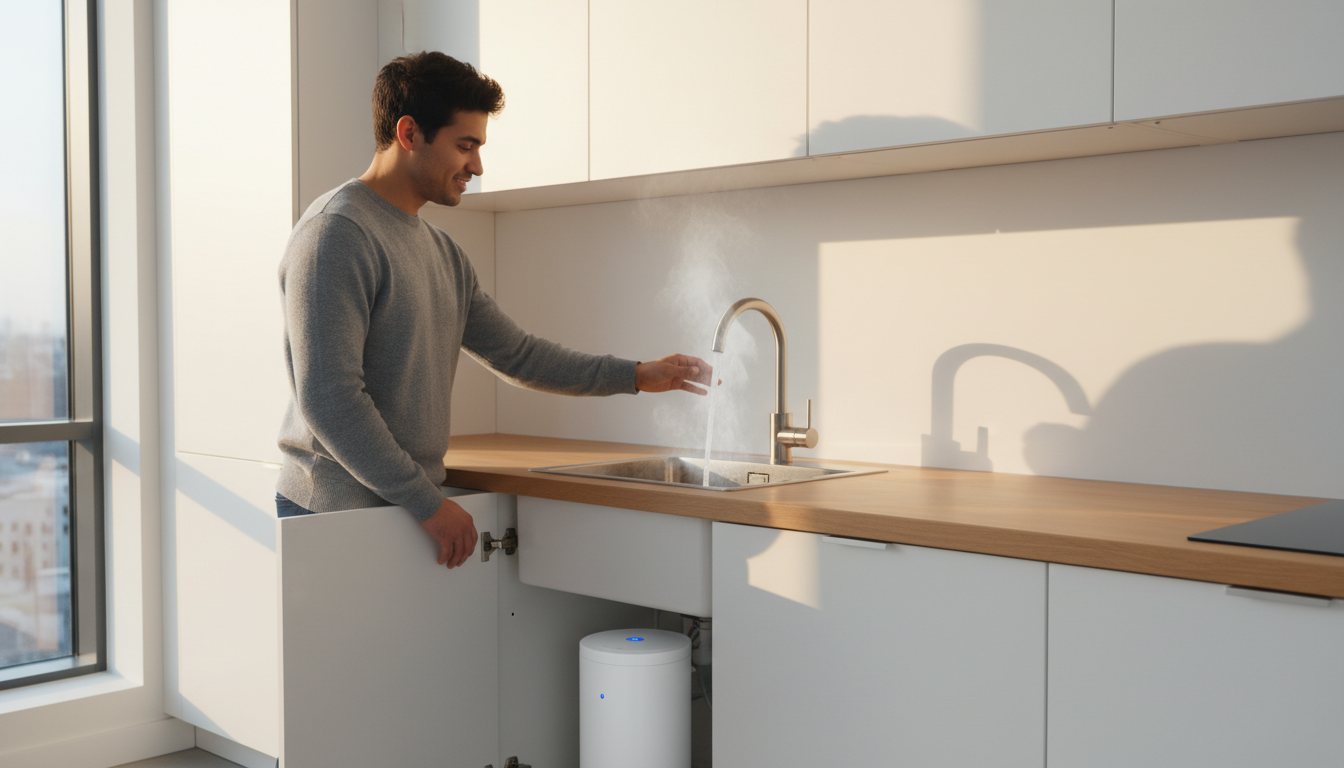
Induction technology represents the most significant shift in cooking methods available to homeowners today. Unlike traditional radiant electric tops that use heating elements to warm the glass, induction utilizes copper coils to create an electromagnetic field. This energy transfers directly to the iron in your cookware, turning the pot itself into the heat source. For those using a range and oven buying guide North Metro MN to find the highest efficiency, induction is the clear winner.
Many homeowners ask if induction is worth the higher upfront cost. From a practical standpoint, the benefits are immediate. Induction can boil a large pot of water in roughly half the time of a standard electric or gas burner. Safety is another major factor, especially for families with young children in the North Metro. Because the surface only reacts to magnetic metal, the glass cooktop remains relatively cool to the touch, significantly reducing the risk of accidental burns. This precision also means less ambient heat is wasted in your kitchen, which is a subtle but welcome benefit during humid Minnesota summers.
Before purchasing a unit from our discounted appliance showroom in Stacy, check your existing cookware. Induction requires magnetic pots and pans, such as cast iron or specific grades of stainless steel. A simple way to test your current set is to see if a magnet sticks firmly to the bottom of the pan. If it does not, you will need to factor the cost of new cookware into your budget.
For those serving the Twin Cities North Metro, there are growing financial incentives to consider. State and federal energy efficiency programs, often highlighted in local energy guides, are increasingly offering rebates for homeowners switching from gas to high efficiency electric options. These incentives can offset the initial purchase price, making a premium induction unit much more accessible. Our team often sees fewer heat related glass failures with induction compared to radiant electric, though professional appliance repair services remain available for the sophisticated control boards these units require. Making the switch is often a long term investment in both kitchen performance and household energy efficiency.
Dual Fuel Ranges: The Best of Both Worlds
Serious home chefs often find themselves torn between the responsiveness of a gas flame and the baking consistency of an electric oven. A dual fuel range solves this dilemma by combining a gas cooktop with an electric oven cavity. This setup is widely considered the gold standard for bakers, as electric heat provides a dry, even temperature environment that helps breads rise and cookies brown more predictably than gas ovens, which can produce more moisture and temperature fluctuation.
If you are looking for this premium combination in our discounted appliance showroom in Stacy, keep in mind the unique dual fuel range electrical requirements. Unlike a standard gas range that only needs a basic 120V outlet for the clock and spark igniter, a dual fuel unit requires a dedicated 240V circuit to power the electric oven elements, plus a gas line for the burners.
For homeowners in older properties in Lino Lakes or Wyoming, this often necessitates a visit from an electrician to upgrade the wiring. Ensuring your kitchen can support both utilities is a crucial step in any range and oven buying guide North Metro MN homeowners consult. While the installation is more complex, the hybrid performance is often worth the extra effort for those who prioritize culinary precision. Our professional appliance repair services also see fewer issues with the heating elements in these high end electric ovens compared to gas igniter failures, making them a robust long term choice for those serving the Twin Cities North Metro.
Reliability and Repairability: The Technician Viewpoint

From the perspective of our professional appliance repair services, the best range is often the one that can be fixed quickly when something goes wrong. In terms of service call frequency, gas ranges lead the pack, primarily due to igniter failures. These components are wear items that typically need replacement every five to seven years. Radiant electric ranges are generally the most reliable due to their mechanical simplicity. Induction units, while impressive, contain complex inverter boards that can be sensitive to the power fluctuations sometimes seen in rural areas serving the Twin Cities North Metro.
When clients ask what brand of range is the most reliable, we focus on parts availability. Brands like Whirlpool, GE, and Maytag are mainstays in our discounted appliance showroom in Stacy because their parts are stocked locally by Twin Cities distributors. A reliable machine is one that does not leave you waiting three weeks for a proprietary control board to ship from overseas.
Regarding longevity, the average lifespan of an electric oven is approximately 13 to 15 years. If you are wondering if it is worth fixing a 10 year old oven, we suggest the 50 percent rule. If a repair estimate exceeds 50 percent of the cost of a comparable new unit, especially on a decade-old machine, investing that money into a new range is usually the better long term value. Following a range and oven buying guide North Metro MN homeowners can trust means weighing these future maintenance costs against the initial purchase price to ensure your kitchen remains functional for years to come.
How to Measure and Choose the Right Size for Your Kitchen
Before selecting a unit from our discounted appliance showroom in Stacy, you must confirm the exact dimensions of your existing cabinet cutout. While a standard residential range is 30 inches wide, high performance pro-style models often span 36 or 48 inches. Measure the width at both the front and back of the opening, as older cabinets are not always perfectly square. Depth is equally critical; verify that a new unit will not protrude so far that it blocks adjacent drawers or the dishwasher door.
For homeowners in North Metro split level or ranch homes, the path of entry is a frequently overlooked factor. A range must travel through your mudroom, laundry room, or narrow hallways before it reaches the kitchen. Measure every doorway and tight corner along this route to avoid delivery day complications. Since our scratch and dent inventory includes a diverse mix of standard and oversized units serving the Twin Cities North Metro, having these figures ready is the most important step in this range and oven buying guide North Metro MN. This preparation allows our team to quickly identify a unit that fits your specific floor plan and cooking requirements.


