
Effective refrigerator maintenance requires cleaning condenser coils every six months and inspecting door seals for a proper airtight fit. Replacing water filters as scheduled and keeping the freezer defrosted will prevent overheating; these simple steps ensure your appliance runs efficiently and avoids expensive mechanical failures.
Few things disrupt a North Metro household like a failing refrigerator. When you wake up to a puddle on the kitchen floor or lukewarm milk in the morning, the frustration and financial loss are immediate. While modern appliances are engineered for longevity, they often fail prematurely due to simple neglect. A struggling compressor does more than just raise your monthly utility costs; it also risks a total system breakdown during the humid peak of a Minnesota summer. In this comprehensive guide, our experts at Reliable Appliance provide the practical steps needed to protect your investment. You will learn how to clean condenser coils, perform the door gasket dollar bill test, and optimize internal airflow. We also include a seasonal maintenance checklist to ensure your appliance runs efficiently, helping you avoid costly cooling failures and unexpected repairs.
Why Refrigerator Maintenance Matters for Minnesota Families
In a typical home across the Twin Cities North Metro area, no appliance works harder than the refrigerator. It runs 24 hours a day, 365 days a year, constantly adjusting to maintain precise internal temperatures. This workload intensifies during our humid Minnesota summers and the dry, heated conditions of our winters. While a modern unit has a typical lifespan of 10 to 15 years, consistent refrigerator maintenance is the primary factor that determines if your appliance reaches that milestone or fails prematurely.
Residents in Stacy, Forest Lake, and North Branch often face specific environmental challenges that impact appliance health. Many homes in these communities deal with significant dust buildup from pets or seasonal changes that quickly clog vital components. At Reliable Appliance, we see these regional failures every day through our professional appliance repair services. We know how quickly a neglected condenser coil or a brittle door seal can lead to a total cooling failure. By taking a proactive approach to care, you protect the investment you made in your kitchen. If your current unit is already showing signs of age, we maintain a discounted inventory of refrigerators at our Stacy showroom to ensure every local family has access to dependable food storage.
How to Clean Refrigerator Condenser Coils for Maximum Efficiency
The condenser coils are arguably the most critical component for efficient cooling. Their primary role is to dissipate the heat removed from the interior of the unit. When these coils become layered with dust, pet hair, or debris, they act like an insulated blanket, trapping heat and forcing the compressor to work significantly harder. This unnecessary strain is a leading cause of mechanical failure that we encounter throughout the Twin Cities North Metro area.
Identifying the symptoms of a dirty refrigerator coil is usually straightforward. You might notice your refrigerator running constantly without a break, or the exterior sides of the cabinet feeling unusually hot to the touch. In some cases, the internal temperature may begin to rise even though the thermostat settings remain unchanged. These signs indicate that the system is struggling to shed heat, which eventually leads to a total cooling breakdown if left unaddressed.
Follow these steps to clean your coils safely and effectively:
Locate the coils. On many older models, these are mounted to the back of the unit. Most modern refrigerators house them behind a removable toe-kick grille at the bottom front or behind a rear access panel.
Unplug the refrigerator. This is a vital safety requirement to avoid electrical shock or injury from moving condenser fan blades.
Vacuum the area. Use a vacuum with a narrow crevice tool or a soft brush attachment to pull out loose dust and hair.
Use a coil brush. A specialized, flexible coil brush can reach into the tight spaces between the loops of the coil to break up stubborn debris that a vacuum cannot reach.
Reinstall the grille and restore power. Ensure the area around the base of the fridge is clear to allow for proper airflow.
For most households, performing this task every 6 to 12 months is sufficient to maintain peak performance. However, for residents in the Lakes Area with shedding pets, we recommend checking the coils every three to four months. Maintaining clean coils reduces energy consumption and prevents the compressor from burning out. If you notice symptoms of overheating but cleaning does not resolve the issue, it may indicate a deeper mechanical problem requiring professional appliance repair services.
Inspecting and Cleaning the Door Gasket: The Dollar Bill Test

Once the coils are clear, the next critical component to inspect is the door gasket. This flexible rubber seal is the only barrier keeping cold air inside the cabinet and warm, humid air out. Over time, these gaskets can become brittle, warped, or coated in kitchen grime, leading to a loss of efficiency that forces your unit to run longer cycles.
To verify the integrity of your seal, perform the dollar bill test. Close the refrigerator door on a dollar bill so that half is inside the unit and half is hanging out. Attempt to pull the bill out. If you feel firm resistance, the seal is functioning correctly. If the bill slides out easily or falls to the floor, the gasket is failing to create a proper vacuum. Repeat this test at several points around the perimeter of both the fridge and freezer doors.
Maintenance often requires more than just testing. Mold and mildew frequently accumulate in the folds of the gasket, especially during humid Minnesota summers. Clean these areas using a mixture of warm water and mild dish soap. Avoid harsh chemical cleaners or bleach; these substances strip the plasticizers from the rubber, causing it to crack and fail prematurely.
If you notice a small gap where the seal has pulled away from the frame, you may be able to reshape it without a full replacement. Use a hair dryer on a low heat setting to gently warm the affected area until the rubber becomes pliable, then manually pull it back into place and hold the door shut until it cools. For homeowners asking if it is worth replacing a fridge seal, the answer is generally yes. If the compressor and coils are in good condition, a new gasket is a cost-effective way to restore efficiency and avoid browsing our discounted inventory of refrigerators before you are ready. For complex fitment issues, our team providing professional appliance repair services in the Twin Cities North Metro area can ensure a factory-perfect seal.
Managing Airflow and Temperature Settings
Efficient cooling depends on consistent air movement inside the cabinet. A common mistake we see in the Twin Cities North Metro area is overstuffing the shelves. When you pack items too tightly against the back wall or side vents, you block the flow of cold air. This creates uneven temperature zones and forces the compressor to run longer cycles to reach the thermostat's set point. For optimal refrigerator maintenance, aim to keep the unit about three quarters full. This provides enough thermal mass to hold the cold without obstructing the air passages.
Precision in your settings also prevents mechanical fatigue. Set your refrigerator between 37°F and 40°F, and keep the freezer at exactly 0°F. If you find your unit struggling to maintain these levels despite proper settings, it may require professional appliance repair services to check the thermostat or damper control. Operating even a few degrees colder than necessary increases energy consumption and puts unnecessary wear on the cooling system.
External airflow is equally vital. Many homeowners in Stacy and Wyoming use the top of their refrigerator to store cereal boxes, heavy cookbooks, or decorative baskets. These items act as insulation, trapping heat that the appliance is trying to expel. In modern kitchens with tight cabinetry, this can cause the system to overheat and fail prematurely. Keeping the top clear ensures the unit can breathe and operate at the efficiency levels intended by the manufacturer. If an older unit has already suffered from heat stress, our discounted inventory of refrigerators offers high-quality replacements for local families.
Water Filter Care and Ice Maker Maintenance
Proper refrigerator maintenance also involves managing the fluids flowing through your unit. Minnesota water, particularly in the Twin Cities North Metro area, often carries high mineral content or sediment that can wreak havoc on internal plumbing. The water filter does more than just improve the taste of your ice; its primary mechanical job is to trap particulates before they reach the delicate solenoid valve.
When a filter becomes clogged, it drastically reduces water pressure. This lack of pressure forces the solenoid valve to work harder and can prevent it from seating correctly. If the valve stays partially open because of low pressure or sediment, it can lead to a frozen fill tube or a slow leak that eventually puddles behind the unit. Residents in Wyoming or Lindström who rely on well water should be particularly vigilant. While the industry standard is to change filters every six months, well water systems often introduce higher levels of sediment that may require a change every three to four months to protect the ice maker.
If you notice your ice cubes shrinking or the water dispenser flow slowing to a trickle, the filter is likely at the end of its life. Ignoring these signs can lead to mechanical failures that require professional appliance repair services. For those whose ice makers have already suffered permanent damage from local water conditions, we offer a discounted inventory of refrigerators at our Stacy showroom to get your kitchen back to peak performance quickly.
A Seasonal Refrigerator Maintenance Checklist
Consistent upkeep prevents the sudden loss of a full grocery haul during a Minnesota heatwave. Use this refrigerator maintenance checklist to track essential tasks and keep your unit running efficiently in the Twin Cities North Metro area.
Monthly Tasks - Wipe down door gaskets with mild soap and water to prevent sticky residue from tearing the rubber. - Verify internal temperatures with a standalone thermometer to ensure the fridge stays between 37 and 40 degrees Fahrenheit. - Clear any debris from the internal air vents to maintain proper circulation.
Bi-Annual Tasks - Vacuum the condenser coils to remove pet hair and household dust. - Replace the water filter, particularly if you rely on a well system in Stacy or North Branch. - Inspect the ice maker assembly for frost buildup or clumping cubes.
Annual Tasks - Locate and clean the defrost drain to prevent water from pooling inside the cabinet. - Remove the bottom kick plate to inspect the drain pan for standing water or mold.
Following these steps reduces the need for emergency professional appliance repair services. If a component appears damaged during your inspection, you can find quality replacements in our discounted inventory of refrigerators at the Stacy showroom.
Knowing When to Call a Stacy Appliance Specialist
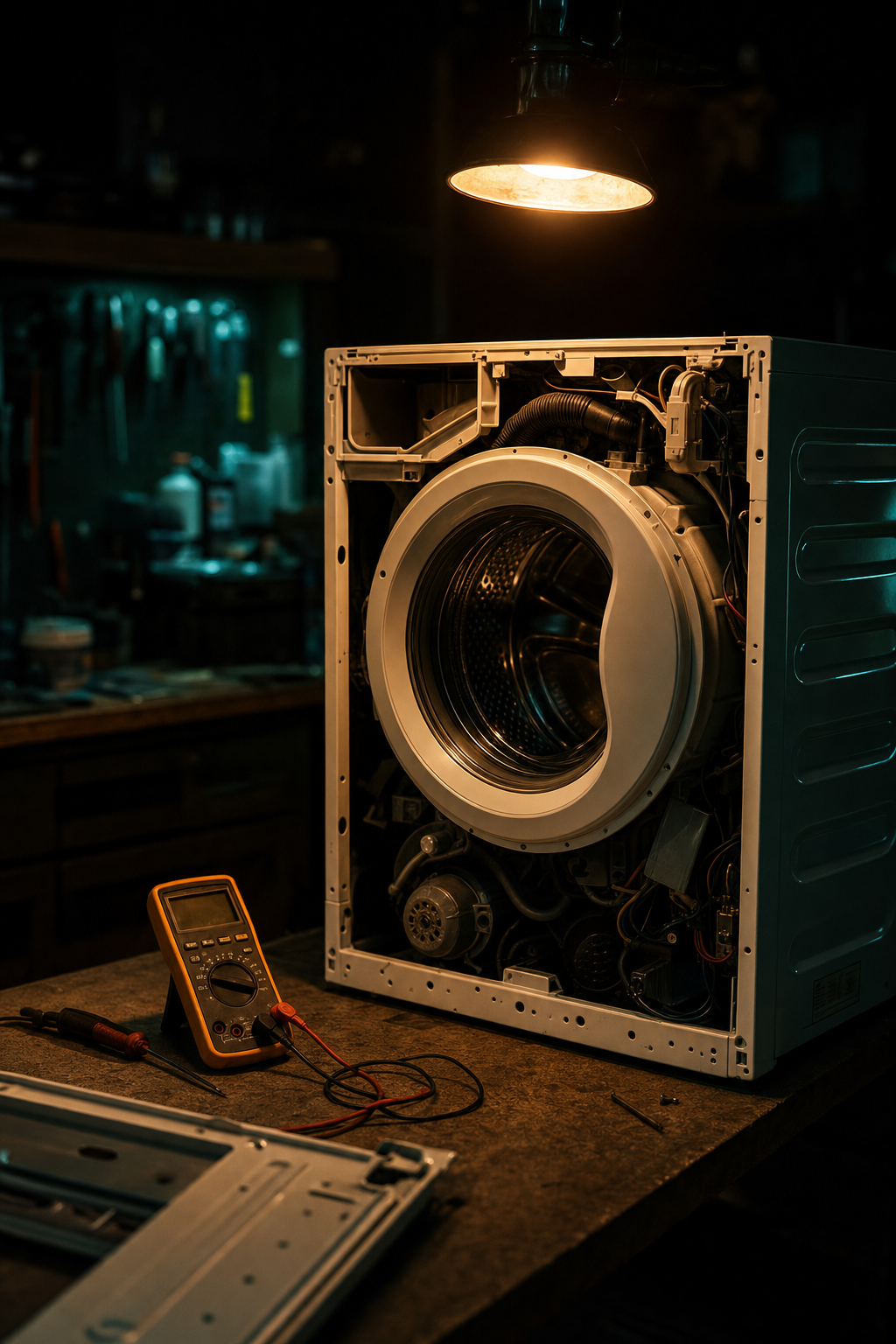
Consistent refrigerator maintenance effectively delays the need for service, yet mechanical components eventually wear out regardless of how well you care for the unit. You should recognize when a problem requires the specialized diagnostic tools of a technician rather than a vacuum or a soapy sponge. Puddles accumulating on the kitchen floor often indicate a failing water inlet valve or a cracked drain pan rather than a simple clog. Similarly, loud knocking, rhythmic buzzing, or screeching sounds usually signal that the evaporator fan or the compressor itself is reaching the end of its functional life.
If your food is spoiling even though you have cleaned the coils and the thermostat is set correctly, the appliance likely has a refrigerant leak or a control board failure. These issues require professional diagnostic tools, such as multimeters and pressure gauges, to resolve safely. Our team provides professional appliance repair services throughout the Twin Cities North Metro area, bringing the expertise needed to identify the exact point of failure. If the cost of a complex repair outweighs the value of an older unit, we can guide you through our discounted inventory of refrigerators at our Stacy showroom. From Forest Lake to North Branch, we ensure your household remains functional with dependable, local support.