Effective washing machine maintenance requires regular cleaning of the door seals and lint filters to prevent mold and debris buildup. You should also inspect hoses for cracks, avoid overloading the drum, and use specialized descaling cleaners if your home uses hard or well water. These routine habits help maintain appliance efficiency and prevent common mechanical failures over time.
Living in the North Metro area means dealing with unique water quality issues that can wreak havoc on your laundry routine. If you have noticed white residue on your clothes or a persistent musty smell coming from your drum, your home’s hard water or well water is likely the culprit. Mineral deposits do more than just dull your fabrics; they accumulate inside pump assemblies and heating elements, causing premature mechanical failure and costly repairs. At Reliable Appliance, we understand that standard maintenance routines often fall short for local homeowners. In this guide, we will explore the specific challenges of well water, provide a comprehensive maintenance checklist, and offer step by step instructions for removing scale buildup. You will also learn how to identify when a drainage issue requires professional intervention versus a simple cleaning.
The North Metro Water Challenge: Why Standard Maintenance Isn't Enough
Homeowners throughout the Twin Cities North Metro area, particularly those in Stacy, Forest Lake, and across Chisago County, face unique environmental factors that impact appliance longevity. While most manufacturer manuals provide a basic framework for washing machine maintenance, these generic guidelines often fail to account for the high mineral content prevalent in our local water supply. If your home relies on a private well, you are likely dealing with high concentrations of iron, manganese, and calcium that can rapidly degrade internal components.
At Reliable Appliance, we have spent years providing professional appliance repair services to neighbors who find that standard cleaning cycles simply aren't enough to combat local hard water issues. The sediment often found in North Metro wells creates a specialized set of problems, from clogged inlet screens to calcified heating elements. Understanding these local conditions is essential for protecting your investment. If your current machine has already suffered from years of mineral neglect, we also offer discounted scratch and dent appliances in our Stacy showroom to provide high-quality replacements at a lower cost. Mastering a region-specific care routine is the only way to ensure your washer performs as expected for its full lifespan.
Can Hard Water Mess Up a Washing Machine?
Hard water is a primary driver of premature mechanical failure for appliances in the North Metro. When your water contains high levels of dissolved calcium and magnesium, these minerals do not simply pass through the system. Instead, they react to heat and detergent to form a rock-hard crust known as limescale. This buildup targets three critical areas: the heating elements, the internal solenoid valves, and the outer tub.
On heating elements, limescale acts as an insulator. The element must work significantly harder and stay on longer to reach the desired temperature, which eventually causes the component to burn out or crack. Internal valves are equally sensitive; mineral sediment can lodge in the valve seat, preventing it from closing fully and causing the tub to overfill or leak slowly even when the machine is off.
The impact differs slightly between machine styles. Front-load washers, which use less water, often see mineral concentration around the door bellows and the delicate drum bearings. As minerals crystallize, they become abrasive, wearing down rubber seals and eventually seizing the bearings. Top-load machines typically accumulate washing machine hard water stains and crusting at the top of the outer tub and along the drive shaft.
Beyond the mechanical damage, these minerals interfere with detergent chemistry. This creates a soapy curd that traps bacteria and soil against the machine's internal walls. This environment leads to a cycle of neglect that can drastically shorten an appliance's lifespan, often turning what should be a ten-year investment into a five-year problem. Consistent washing machine maintenance is the only way to prevent these minerals from turning into permanent, machine-killing obstructions.
Essential Washing Machine Maintenance Checklist for Well Water Users
Maintaining a laundry room in the Twin Cities North Metro area requires a more aggressive schedule than manufacturer manuals typically suggest. For those on well systems, your routine must shift from simple cleaning to proactive sediment management. The following checklist focuses on the vulnerabilities unique to private water supplies.
1. Clear the Inlet Valve Screens This is the most critical task for well users. Small mesh screens are located inside the water inlet valves where the hot and cold hoses connect to the back of the machine. Over time, fine sand and sediment from the well accumulate here. If your machine is taking a long time to fill or displaying low pressure errors, these screens are likely blocked. Turn off the water, disconnect the hoses, and use a pair of needle-nose pliers to gently remove and rinse the screens. Neglecting this leads to slow fills and puts unnecessary strain on the solenoid valves.
2. Inspect the Drain Pump Filter Monthly Standard advice suggests cleaning the pump filter every few months, but well water users should do this every thirty days. Heavier mineral flakes and sediment that bypass the drum often settle in the pump housing. Clearing this prevents the drain pump from laboring against abrasive debris, which can eventually lead to pump failure.
3. Use Water Softening Additives Since hard water prevents detergent from sudsing properly, add a water softener or booster to every load. This helps keep minerals in suspension so they wash away rather than bonding to the drum or internal plumbing. This simple step is vital for protecting the longevity of machines bought at our Stacy showroom, including discounted scratch and dent appliances.
4. Standard Structural Checks - Inspect hoses for cracks, stiffness, or bulges; replace them every five years with braided stainless steel versions. - Avoid overloading, which puts excessive strain on the drive system and bearings already fighting mineral friction. - Verify the machine is level to prevent vibration that can loosen mineral-heavy connections.
If you discover your inlet valves are already leaking or the screens are permanently fused with scale, professional appliance repair services may be necessary to restore proper water flow. Consistent washing machine maintenance is your first line of defense against the unique geological challenges of Stacy and the surrounding Twin Cities North Metro area.
Why Your Washing Machine is Not Draining: The Hard Water Connection
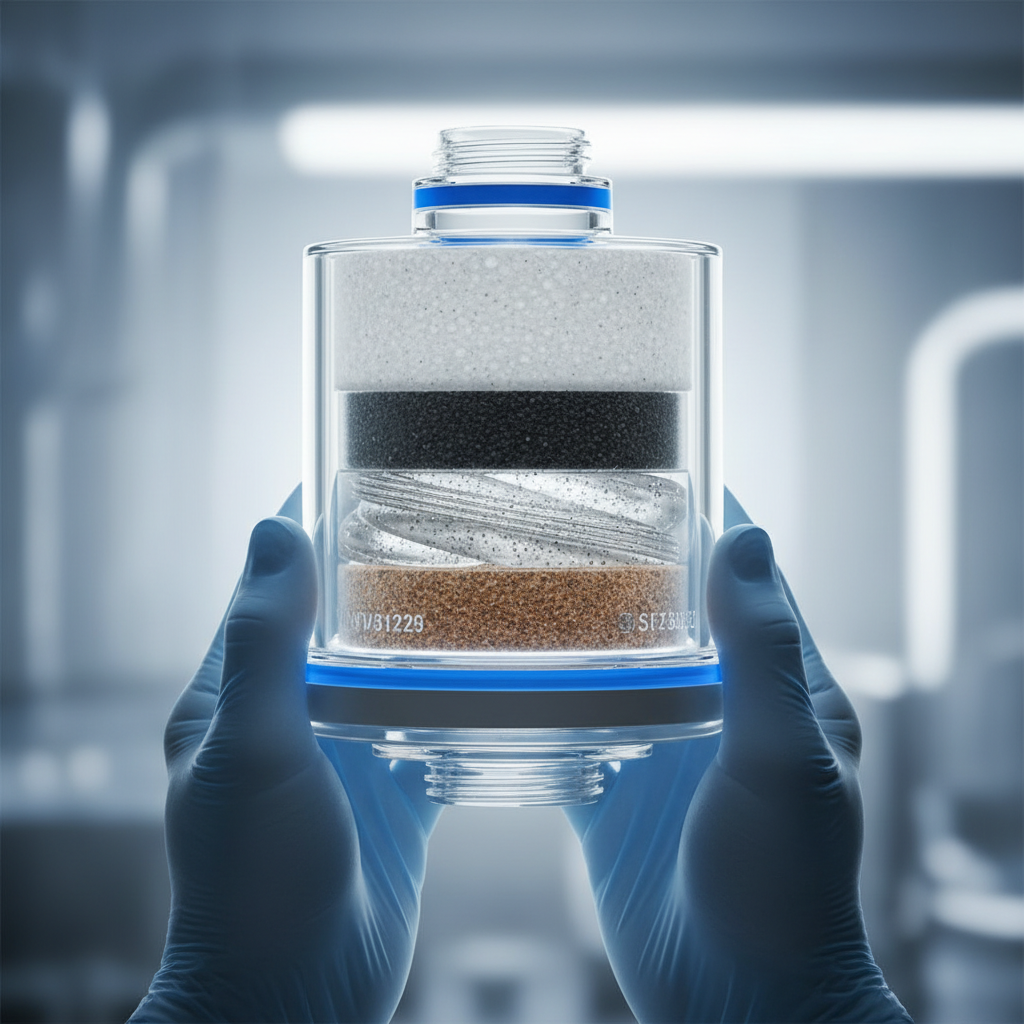
If you are wondering why your laundry machine is not draining water, the answer in the Twin Cities North Metro area is often rooted in mineral accumulation. Calcium and magnesium deposits do not stay confined to the wash drum; they travel through the entire drainage system. Over years of use, these minerals attach to the inner lining of drain hoses, creating a rough, narrowed path that restricts water flow. This "arterial" buildup forces the drain pump to work significantly harder to push water out of the machine.
In many cases, the drain pump itself eventually seizes. This occurs when hard water scale flakes off the internal components and becomes trapped in the pump's impeller blades. A seized pump or a restricted hose will trigger "long drain" error codes or leave a tub full of standing water.
Before scheduling professional appliance repair services, North Metro homeowners can perform a quick diagnostic check. Locate the drain pump filter access panel, usually found at the bottom front of most modern front-loaders or behind a small plastic door. Place a shallow pan and a heavy towel on the floor to catch the water that will escape, then unscrew the filter slowly. Inspect the cavity for white, chalky flakes or larger mineral stones that may be jamming the impeller. Clearing these obstructions is a core part of washing machine maintenance that can often resolve drainage issues without a full part replacement.
Removing Washing Machine Hard Water Buildup: A Step by Step Cleaning Guide
To effectively eliminate mineral deposits, you must move beyond standard detergent. Acetic acid (distilled white vinegar) or citric acid based cleaners are the most effective agents for dissolving the calcium carbonate found throughout the Twin Cities North Metro area. While vinegar is accessible, citric acid powders often provide a more concentrated descaling action for the heavy buildup common in Stacy and Wyoming homes.
Step 1: Descale the Internal Drum Pour two cups of white vinegar or a pre-measured citric acid cleaner directly into the drum. Select the "Clean Washer" cycle using the hottest water setting. If your machine does not have this cycle, use the "Heavy Duty" setting. Because the mineral concentration in our region is significantly higher than national averages, we often recommend running this cycle twice back-to-back if you notice white flakes or a chalky residue after the first pass.
Step 2: Tackle the Door Gasket On front-loading machines, the rubber gasket is a magnet for mineral crusting and bio-film. Use a soft cloth soaked in a 50/50 water and vinegar solution to wipe inside every fold of the seal. Unlike the drum, which benefits from the heat and agitation of a cycle, the gasket requires manual scrubbing to ensure the rubber remains supple and leak-free.
Monthly Maintenance Schedule - Week 1: Wipe down the door seal and detergent drawer to prevent standing water from calcifying. - Week 2: Inspect the drum for visible washing machine maintenance indicators like white spotting or grit. - Week 4: Run a full descaling cycle with an empty load to clear internal pipes.
Consistent descaling prevents the need for professional appliance repair services caused by clogged internal components. If you find your current unit is too far gone to be saved by cleaning, our showroom offers discounted scratch and dent appliances as a cost-effective replacement.
When Maintenance Isn't Enough: Knowing When to Repair or Replace
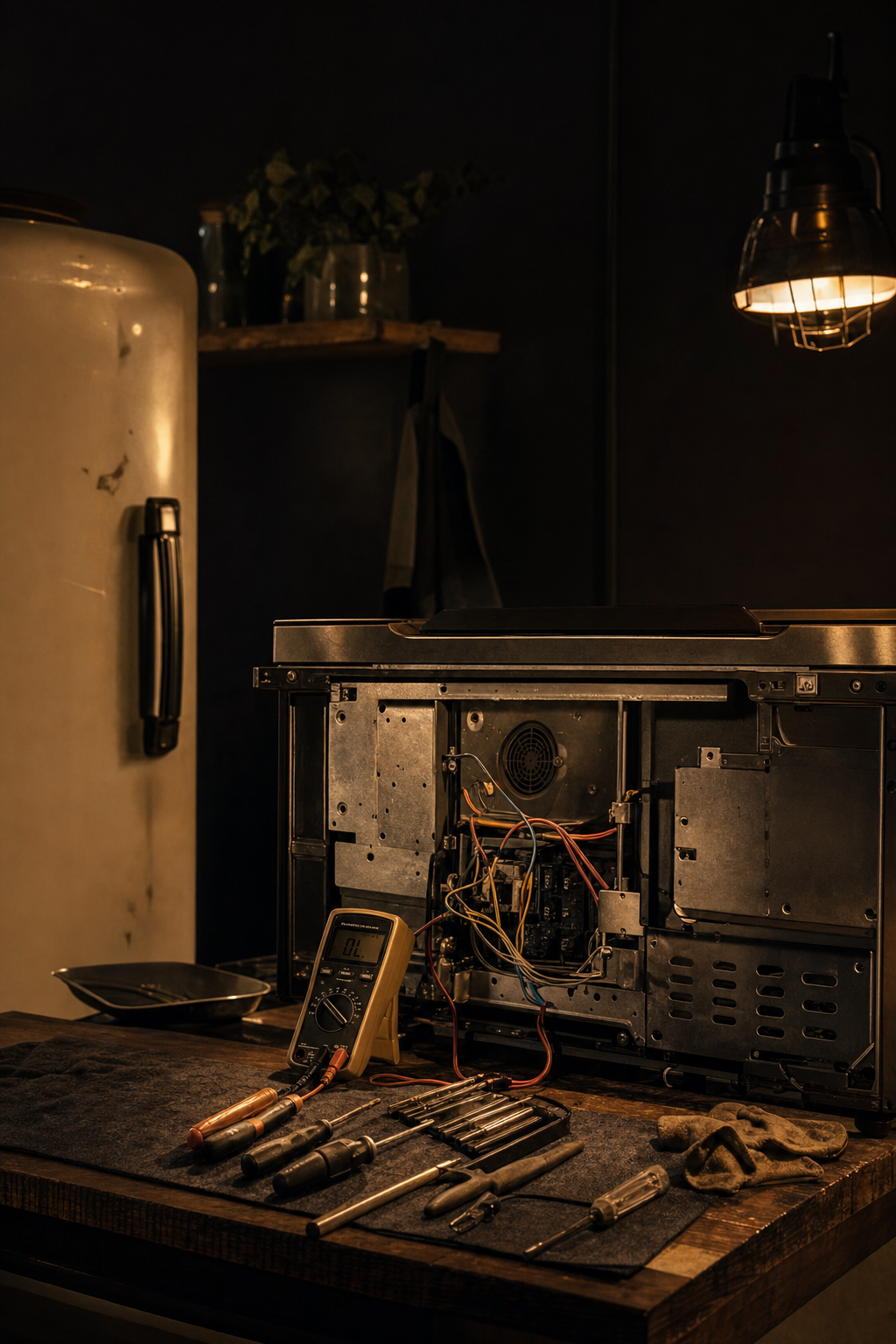
Most modern washing machines have an expected lifespan of 10 to 14 years, but in the Twin Cities North Metro area, heavy mineral exposure often accelerates this timeline. When a machine reaches the eight year mark, deciding between repair and replacement requires a practical look at the numbers. Minor issues like a failed inlet valve or a clogged drain pump are straightforward fixes that extend the life of your unit. However, major mechanical failures often signal that mineral damage has reached a point of no return.
A seized drum bearing or a cracked outer tub, frequently caused by the abrasive nature of long term limescale buildup, often costs more than half the price of a new machine to repair. In these cases, even the most diligent washing machine maintenance cannot reverse the structural integrity loss. If a repair quote exceeds 50% of the cost of a replacement unit, we typically advise homeowners to consider an upgrade.
Reliable Appliance supports North Metro residents at every stage of this decision. Our team provides professional appliance repair services to diagnose the severity of the issue and determine if a fix is viable. If the machine is beyond saving, our showroom in Stacy features a rotating inventory of discounted scratch and dent appliances along with reconditioned models. This allows homeowners in the Twin Cities North Metro area to return to a functional laundry room without the full retail price tag of a brand new unit.
Maintaining a washing machine in the North Metro region requires extra attention due to the mineral content in local water supplies. Regular cleaning and filter maintenance are the best ways to prevent long term damage to your appliance. If you want expert help keeping your laundry room running efficiently, you can read more About our dedicated team and our local services. We are always happy to provide professional support so your appliances continue to serve your family reliably for years to come.